




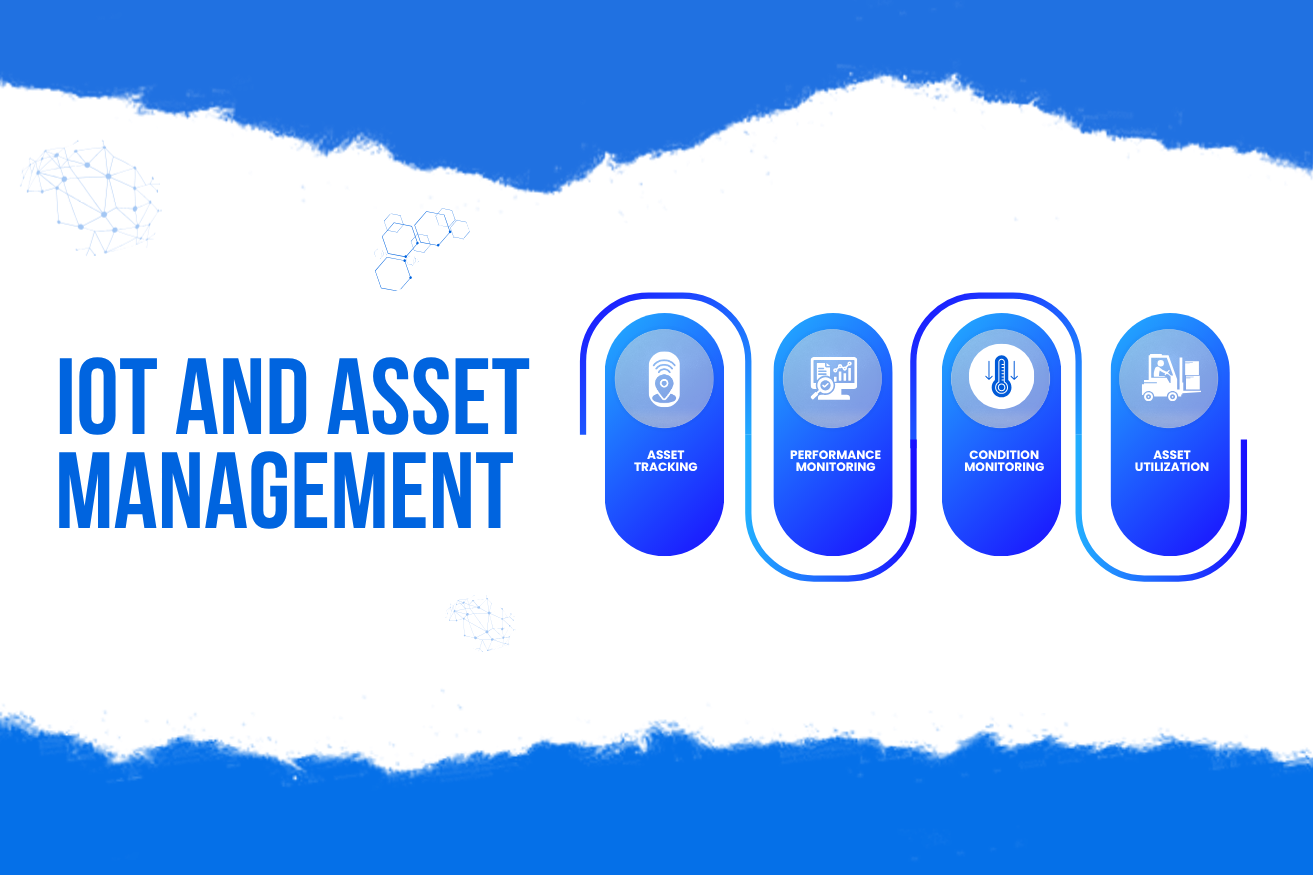
Most organisations do not know where their assets are, what condition they are in, or how much they are actually used. The records exist — in a spreadsheet, an ERP module, or someone’s memory — and they diverge from reality within weeks of being written.
IoT asset management closes that gap by letting assets report their own location, condition, and utilisation continuously. The value is rarely the tracking itself; it is what the accurate picture reveals, which is usually that the organisation owns more equipment than it needs and loses more of it than it realises.
This guide covers what to track, which technology fits which asset, and how to build a deployment that stays accurate after the novelty wears off.
What Connected Asset Management Actually Delivers
- Less time searching. In hospitals, construction, and manufacturing, staff routinely spend a meaningful share of each shift locating equipment. That time is invisible in any budget but very real.
- Fewer unnecessary purchases. Organisations buy duplicates because existing items cannot be found. Accurate utilisation data often shows a fleet can shrink rather than grow.
- Lower loss and theft. Knowing when an asset leaves a site, and being alerted at the time rather than at the annual count, changes outcomes.
- Maintenance based on use. Servicing by actual runtime hours rather than the calendar avoids both premature service and missed intervals.
- Audits that are a query. Annual verification stops being a manual exercise across multiple sites.
The first honest utilisation report is usually uncomfortable. That discomfort is the return on the project.
Decide What You Actually Need to Know
Asset tracking projects overrun when teams try to know everything about everything. Four questions, answered per asset class, keep scope honest.
How precisely must you locate it?
“Which site” is a very different problem from “which room” and from “which shelf”. Each step up in precision multiplies cost. Most organisations need zone-level accuracy and buy room-level because it sounds better.
How often must the picture update?
Daily is enough for most tool and equipment inventories. Continuous updates are needed only when assets move constantly or when response time matters, and they cost far more in battery and connectivity.
Do you need condition as well as location?
Temperature for cold chain, shock for fragile equipment, runtime hours for machinery, humidity for sensitive materials. Condition data is often worth more than position, and it is frequently forgotten in the requirements.
What is the asset worth, and what can a tag cost?
A tag costing a tenth of the asset’s value is rarely justifiable. This single ratio eliminates most technology options immediately and should be settled before any vendor conversation.
Matching the Technology to the Asset
| Technology | Precision | Power | Best for |
|---|---|---|---|
| Passive RFID | Read point only | No battery | High-volume, low-value items passing fixed gates |
| BLE tags with gateways | Zone / room | 1–5 years | Tools, equipment, and assets inside buildings |
| BLE with angle or ranging | Sub-metre | 1–3 years | Where exact position genuinely matters |
| UWB | Centimetre | Months to a year | Safety-critical positioning, automation |
| GNSS plus cellular | Outdoor, metres | Weeks, or vehicle-powered | Vehicles, trailers, containers on the move |
| LoRaWAN | Zone, or coarse position | Years | Large outdoor sites, yards, utilities |
Two practical notes. GNSS is extremely power-hungry, so battery-powered trackers either fix rarely or rely on vehicle power — a constraint that shapes the whole product, as explained in IoT power management. And metal assets detune antennas badly, so tags designed for mounting on metal are a specific category, not a preference.
Why Asset Tracking Deployments Decay
Deploying Asset Tracking That Lasts
Frequently Asked Questions
Conclusion
IoT asset management works when the scope is honest: the right precision for the decision, an update rate the batteries can sustain, condition data where it matters, and a tag cost proportionate to the asset.
The technology is mature. What determines success is mounting that survives, coverage verified in real conditions, tag health monitoring, a clean asset register, and data flowing into systems people already use. Get those right and the accurate picture pays for itself — usually by revealing that the organisation needs less equipment than it thought.