




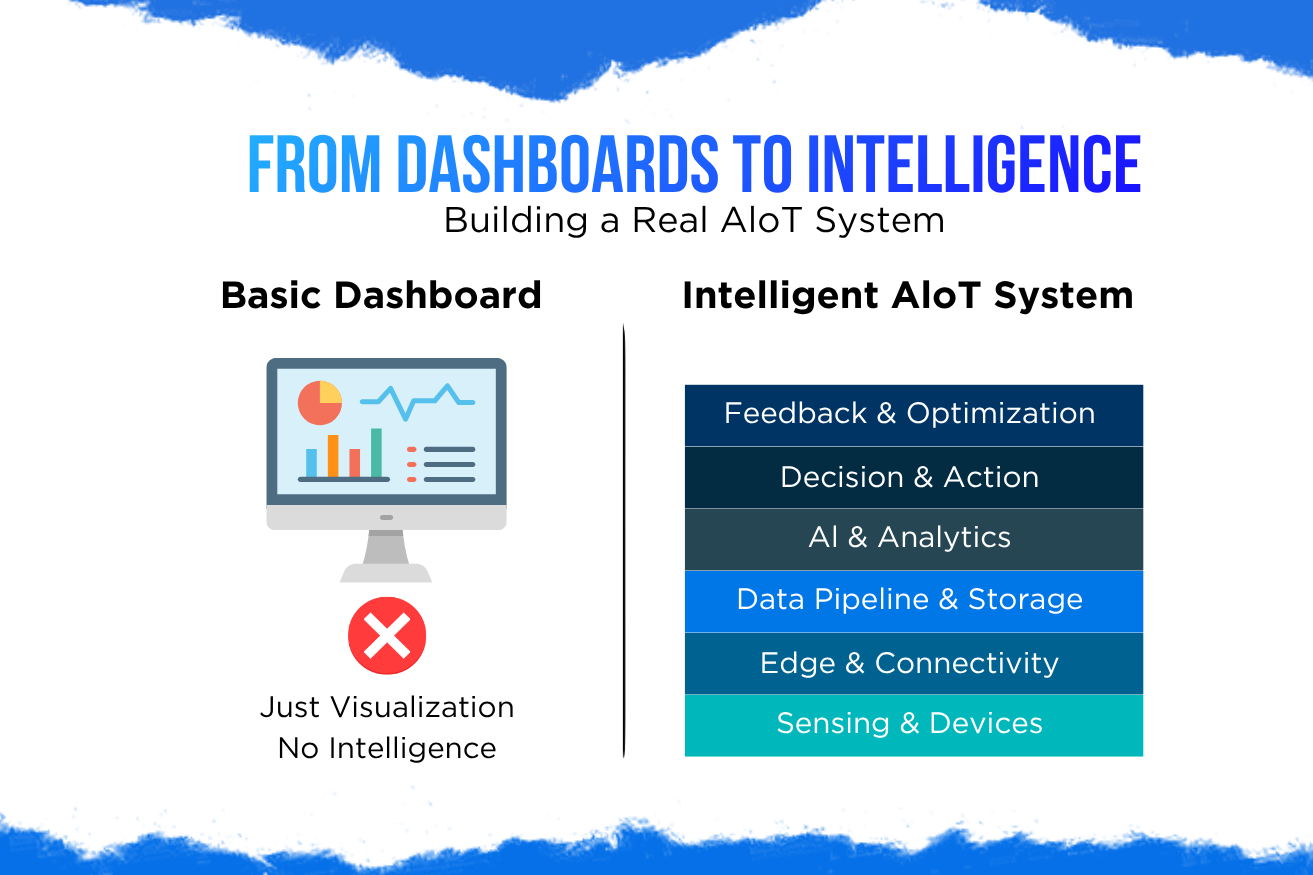
In many IoT deployments, teams make a critical mistake — they build connectivity, add a dashboard, and assume they’ve created something “smart.” But dashboards are not intelligence. They are just visualization tools. A graph, chart, or UI may help you see data, but it doesn’t help your system act on it. At MetaDesk Global, we’ve seen this pattern repeatedly across real-world implementations. The difference between a basic IoT system and a truly intelligent AIoT platform lies in how the architecture is designed. Let’s break down what actually makes an IoT system intelligent.
The Common Misconception: Visualization = Intelligence
Many IoT systems stop at:
- Device connectivity
- Cloud dashboards
- Basic alerts
This creates a monitoring system, not an intelligent one.
True intelligence requires:
- Context
- Decision-making
- Automation
- Continuous learning
Without these, your system is just displaying data — not using it.
The 6-Layer Architecture of Intelligent IoT Systems
Production-grade IoT systems are built as layered data and intelligence pipelines, where each layer adds value to the data flow.
1. Sensing & Device Layer
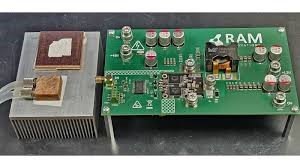
This is where everything begins. Devices capture real-world signals — temperature, motion, pressure, voltage, or environmental data.
Key considerations:
- Sensor accuracy
- Signal conditioning
- Noise filtering
- Calibration
Poor data quality at this layer propagates errors throughout the entire system.
2. Edge & Connectivity Layer
This layer ensures reliable data movement and local processing.
It includes:
- Edge computing (real-time decisions)
- Communication protocols (MQTT, BLE, LoRaWAN, HTTP)
- Network reliability and fallback strategies
Smart systems process critical data at the edge to reduce latency and bandwidth usage.
3. Data Pipeline & Storage
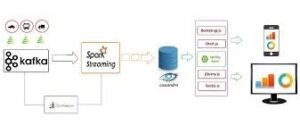
Once data is collected, it must be:
- Ingested reliably
- Structured consistently
- Stored securely
Technologies often include:
- Streaming pipelines (Kafka, Kinesis)
- Time-series databases
- Cloud storage systems
A weak pipeline leads to data loss, inconsistency, and unreliable analytics.
4. Intelligence Layer (AI & Analytics)
This is where systems become truly intelligent.
Capabilities include:
- Anomaly detection
- Predictive maintenance
- Pattern recognition
- Forecasting
Instead of just showing data, this layer answers:
👉 What does this data mean?
5. Decision & Action Layer
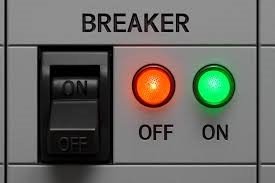
Insights alone are not enough — systems must act.
This layer:
- Applies business logic
- Triggers alerts or workflows
- Automates responses
Examples:
- Shutting down overheating equipment
- Adjusting system parameters automatically
- Sending critical alerts to operators
This is where IoT transitions from insight to impact.
6. Feedback & Optimization Loop
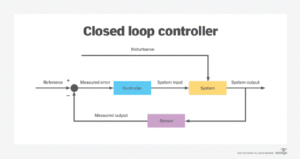
The final layer enables continuous improvement.
Systems:
- Learn from past outcomes
- Refine models and rules
- Improve accuracy over time
This transforms IoT systems into self-improving platforms — not static deployments.
From Monitoring to Intelligence: The Real Shift
When these layers are designed together, your system evolves from:
❌ Dashboard-based monitoring ➡️ ✅ Autonomous, intelligent operations
The goal is not just to see data, but to:
- Understand it
- Act on it
- Improve from it
Why Full-Stack IoT Architecture Matters
Many projects fail because teams:
- Design layers in isolation
- Ignore data flow dependencies
- Focus on UI instead of intelligence
Building the full architecture early ensures:
- Scalability
- Reliability
- Real automation capabilities
Final Thoughts
A dashboard can tell you what’s happening. But only a well-designed system can decide what to do next.
In real-world IoT deployments, success isn’t defined by how good your dashboard looks. It’s defined by how effectively your system:
- Processes data
- Makes decisions
- Executes actions
Because true IoT intelligence isn’t about visibility. It’s about capability.