



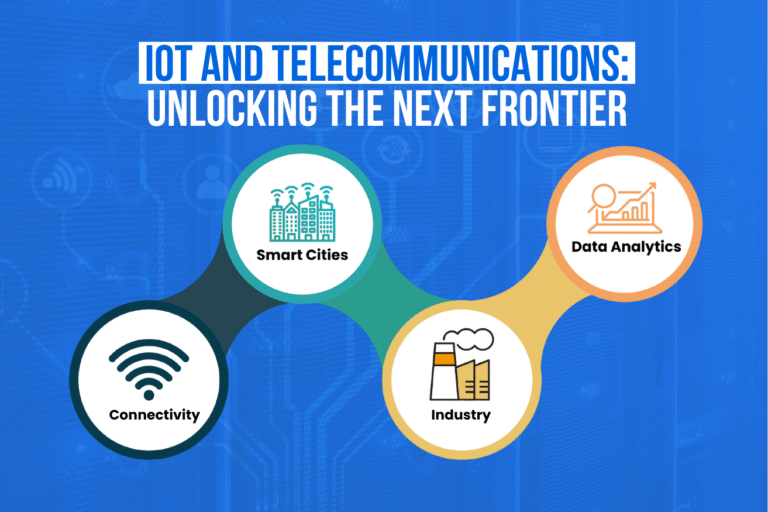
IoT and Telecommunications: Networks, Costs and Operator Use Cases
Telecom both powers IoT and is reshaped by it. What product teams should know about cellular IoT, and how operators monitor their own infrastructure.
Read More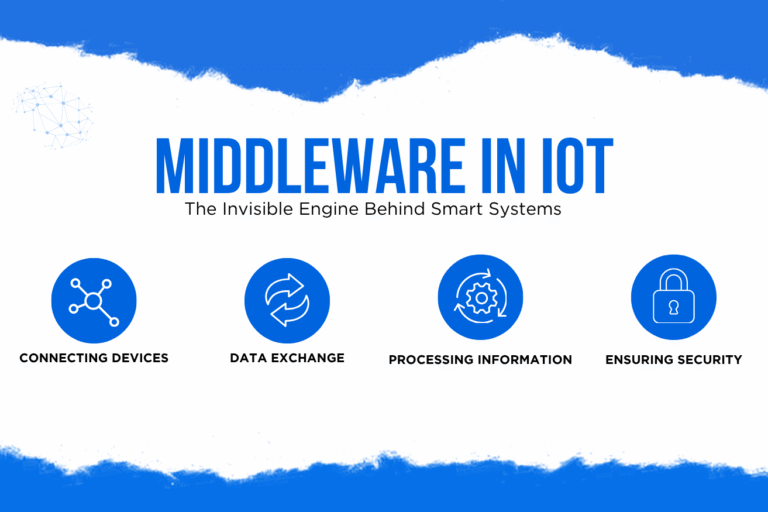
Middleware in IoT: The Hidden Layer Powering Smart Systems
Between devices and applications sits the layer that makes thousands of dissimilar devices behave like one coherent system. Here is what IoT middleware actually does.
Read More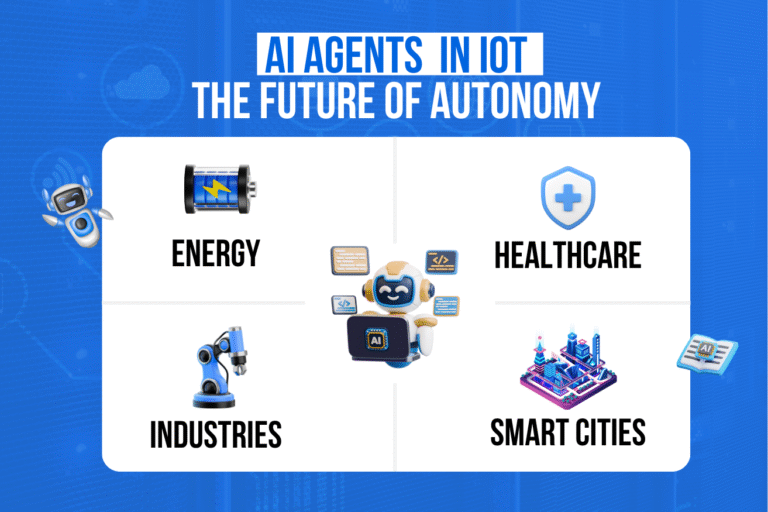
AI Agents in IoT: Where They Help and Where They Do Not Belong
A model answers a question. An agent pursues a goal across multiple steps using tools. That difference is useful in connected systems, and risky, because IoT…
Read More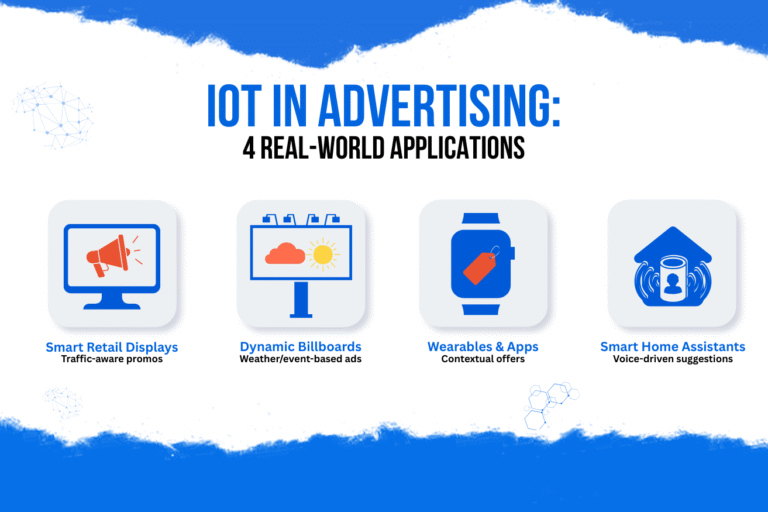
IoT in Advertising: How Connected Technology Is Transforming Marketing
Physical advertising could never answer whether anyone saw it. Connected screens and sensors let a campaign respond to real conditions and report on its own performance.
Read More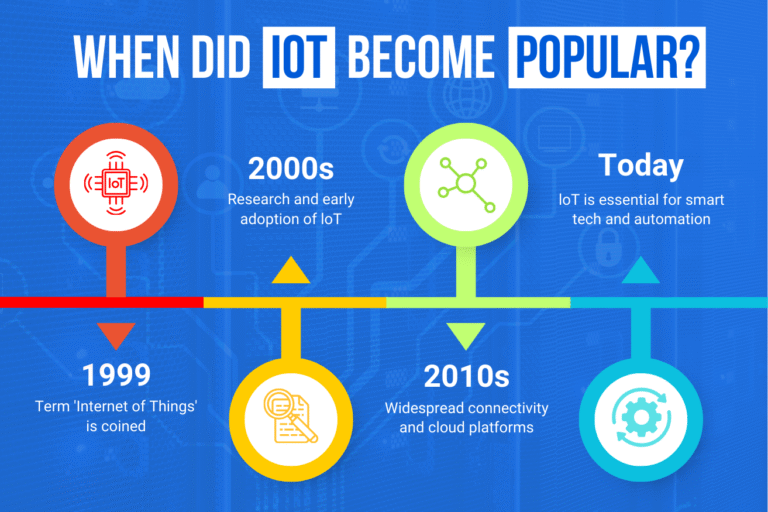
When Did IoT Become Popular? The Timeline and Why
The phrase was coined in 1999, but IoT only became practical around 2010-2014, when four cost curves crossed at once.
Read More
How Do IoT Devices Work? A Complete Guide to Connected Technology
Inside, an IoT device is a tightly constrained computer repeating five steps - sense, process, transmit, act, sleep - where every step is shaped by the…
Read More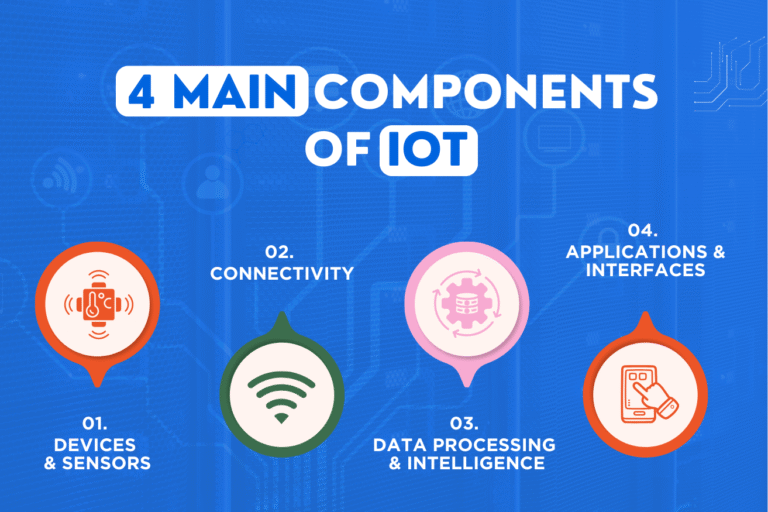
What Are the 4 Main Components of IoT? A Complete Guide
The Internet of Things is more than connected devices - it is an ecosystem of four working parts. Here are the 4 main components of IoT…
Read More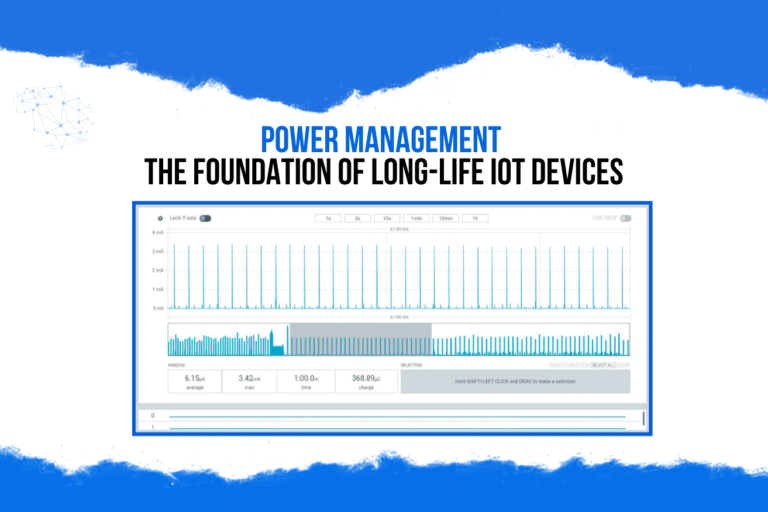
Power Management in IoT Devices: The Key to Long Battery Life
A device promised three years that lasts eight months changes the whole maintenance model. The gap is almost never the battery - it is the energy…
Read More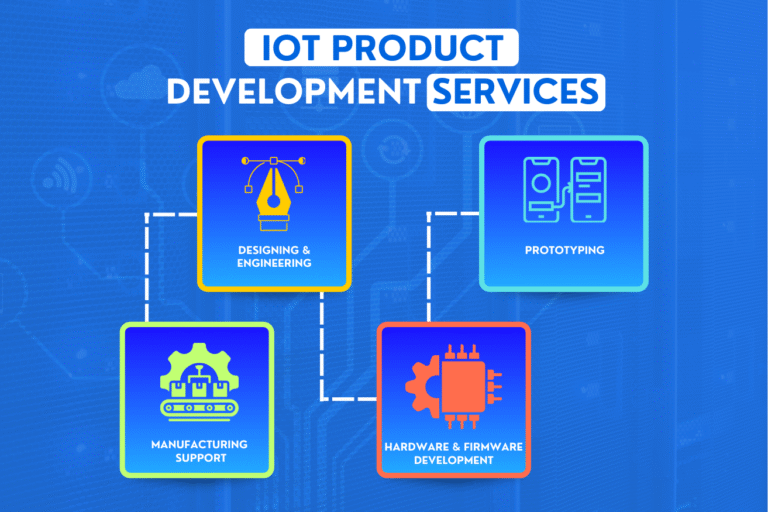
Why Most IoT Projects Fail: Before You Commit and After the Pilot
Projects fail because a question that should have been answered in month one gets answered in month fourteen, when the answer is expensive.
Read More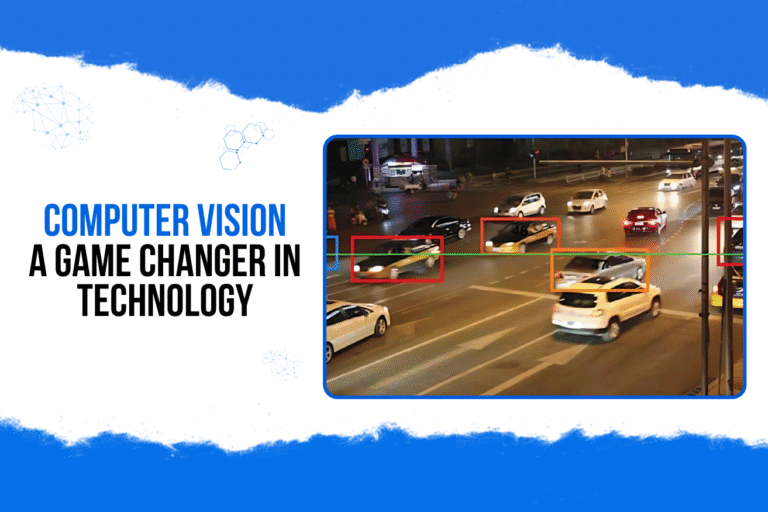
Computer Vision: Where It Pays and Which Problems Fit
Vision became practical because the cost of running it collapsed. The limiting factor moved from capability to whether a business case exists.
Read More